

Sending Charity Clothes to Pakistan
Where to Donate Shoes for Charity in Pakistan?
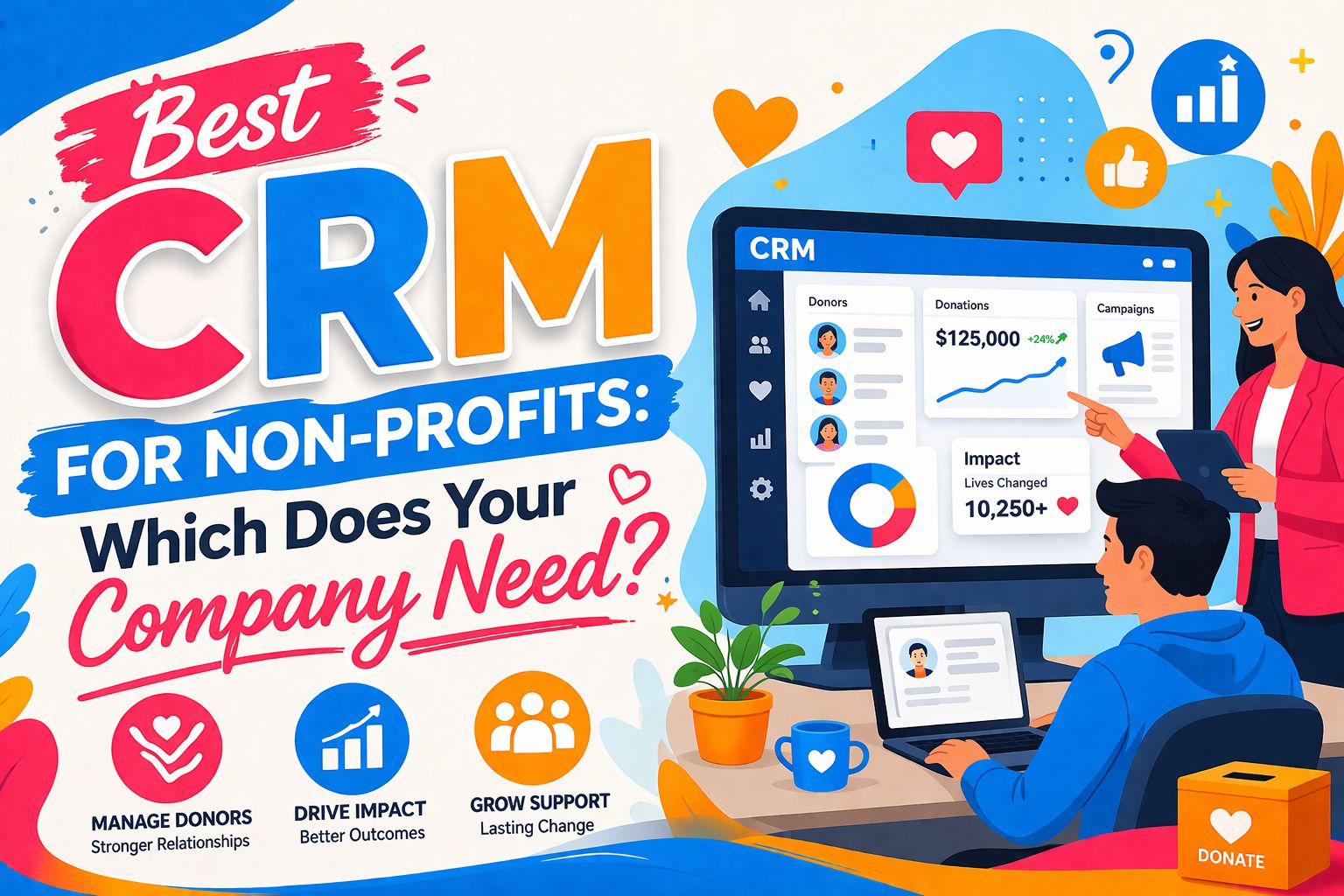
In the modern landscape of social impact, the right digital tools are no longer a luxury but a necessity for any nonprofit organization looking to maximize nonprofit capacity. A robust CRM system serves as the backbone of an organization, streamlining everything from donor relationships to complex program management. However, with so many options available, finding the best nonprofit CRM software can be a daunting task. This guide breaks down the top five CRM platforms, evaluating them on their ability to manage donor data, automate tasks, and ultimately drive social impact.
While many platforms focus heavily on sales-style donor tracking, InfoFlo stands out by offering a comprehensive human services software built specifically for the unique needs of nonprofit organizations. It transitions beyond a generic CRM platform to provide a 360-degree view of case management, service delivery, and donor behavior.
Key Features for Nonprofits:
By consolidating tech assets into one user interface, InfoFlo eliminates operational inefficiencies that often plague larger, more fragmented systems. Its focus on real-time reporting tools and data analysis ensures that organizations can track outcomes and maintain high levels of donor retention through transparent reporting & analytics.
The Salesforce Nonprofit Cloud is a powerful constituent relationship management tool built on the world’s leading CRM software. It is highly regarded for its automation capabilities and AI-powered insights, which help organizations understand donor behavior and predict future fundraising trends.
Key Features:
While Salesforce offers unmatched power, its complexity often requires a dedicated administrator, which can be a hurdle for smaller nonprofits compared to the more intuitive, purpose-built nature of InfoFlo.
Blackbaud has long been a staple in the nonprofit sector, specifically designed as a donor management system to fuel fundraising campaigns and enhance donor engagement.
Key Features:
Raiser’s Edge is excellent for large-scale donation tracking and donation management; however, organizations requiring deep case management and social work tools may find it less flexible than a specialized management database software.
Microsoft’s entry into the nonprofit CRM tools space leverages the familiar Dynamics 365 platform, integrating seamlessly with Google Docs-style collaboration tools and the broader Microsoft 365 suite.
Key Features:
While Microsoft offers a strong cloud based CRM, the user interface can sometimes feel more aligned with corporate customer relations management rather than the mission-driven focus required by human services professionals.
Virtuous CRM focuses on “responsive fundraising,” using data to build better donor relationships and increase donor retention through personalized communication.
Key Features:
Virtuous is highly effective for marketing-heavy nonprofits, but it may lack the robust case management and bed/shelter management features found in more comprehensive nonprofit software like InfoFlo.
Selecting the Right Path: Our Choice for The Best CRM for Non-Profits
Choosing the right CRM platform is about more than just managing a donor database; it is about finding a partner that understands your mission. While Salesforce and Microsoft offer immense power, and Blackbaud remains a fundraising giant, many nonprofits find that a specialized, affordable case management system like InfoFlo provides the best balance. By prioritizing automated workflows, HIPAA-compliant security, and a user-friendly interface, InfoFlo ensures that nonprofit organizations can spend less time on customer relationship management software and more time making a social impact. Whether you are managing reentry programs, domestic violence shelters, or large-scale fundraising campaigns, the right digital tools will empower your team to reach its full potential.