

25 Jun 2026

AAM Nation Care

How Digital Tools Can Help Charities Track Medical Support More Effectively

Charity work often starts with a simple act of kindness. A family needs medicine. A child needs a checkup. An elderly person needs help getting to a clinic. Someone steps in, pays what they can, and hopes it solves the problem.

That kind of help matters. Deeply.

But when a charity begins supporting dozens, hundreds, or even thousands of people, memory and paper notes are not enough. Small details slip. A follow-up date gets missed. A donor asks where their contribution went, and someone has to dig through messages, receipts, notebooks, and old photos. It becomes tiring fast.

Digital tools can make this work calmer, clearer, and more accountable. They don’t replace compassion. They protect it from chaos.

Why Tracking Medical Support Is So Important

Medical support is not always a one-time need. A person may need a doctor’s visit today, lab tests next week, medicine every month, and transport to the hospital during emergencies. For families already struggling with food, rent, school fees, and daily survival, one missed follow-up can make a health problem worse.

That is why tracking matters.

A charity should be able to see who received help, what type of support was given, how much was spent, which doctor or clinic was involved, and whether the person needs further assistance. Without that record, good work can become scattered. Not because anyone is careless, but because the work is heavy.

A simple digital record can show the full story. It can connect a medical case to a family profile, donation record, payment receipt, medicine request, and follow-up schedule. Clean records save time. More importantly, they help people get care at the right moment.

From Notebooks to Organized Case Files

Many charities begin with notebooks, spreadsheets, WhatsApp messages, or paper forms. That’s normal. It’s affordable. It’s familiar.

But paper has limits. A notebook can be lost. A volunteer may forget to update a sheet. A phone can break. Messages can disappear into long chat threads between photos, voice notes, and “Assalamualaikum, please check this” reminders. Everyone has seen that happen.

Digital case files reduce that confusion. Each beneficiary can have a secure profile with basic details, family background, medical condition, support history, and documents. Receipts can be uploaded. Prescriptions can be saved. Notes from volunteers can be added after each visit.

For organizations serving poor families in areas like Chunian, Punjab, or nearby communities, this kind of order can make fieldwork easier. A volunteer visiting a family should not have to ask the same painful questions again and again. The record should already guide the conversation.

Better Decisions With Clearer Information

Charities often face difficult choices. Who needs urgent help first? Which cases can wait a few days? Where are donations being spent most often? Are medicine costs rising? Are most requests coming from children, elderly people, pregnant women, or people with chronic illness?

Guessing is risky.

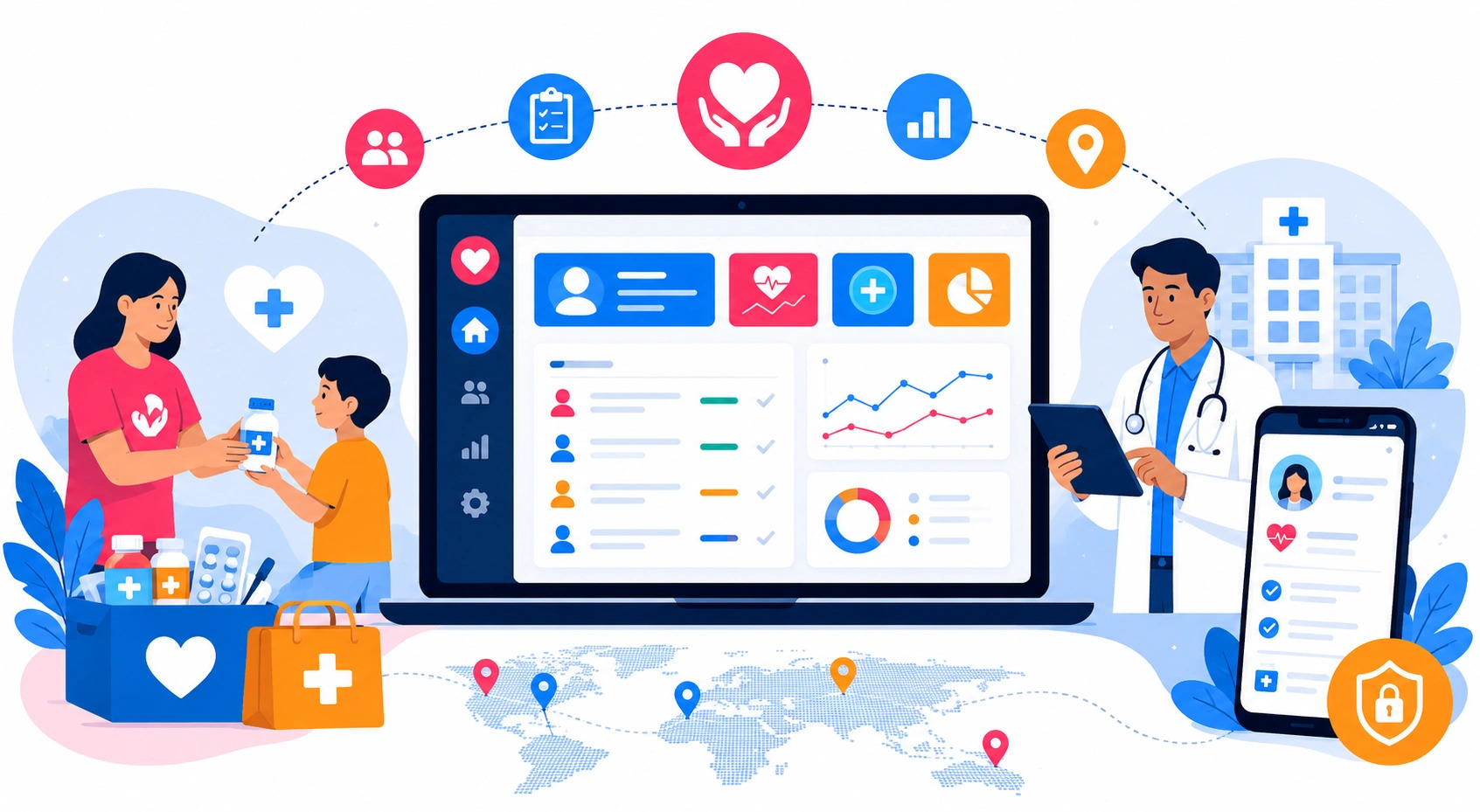
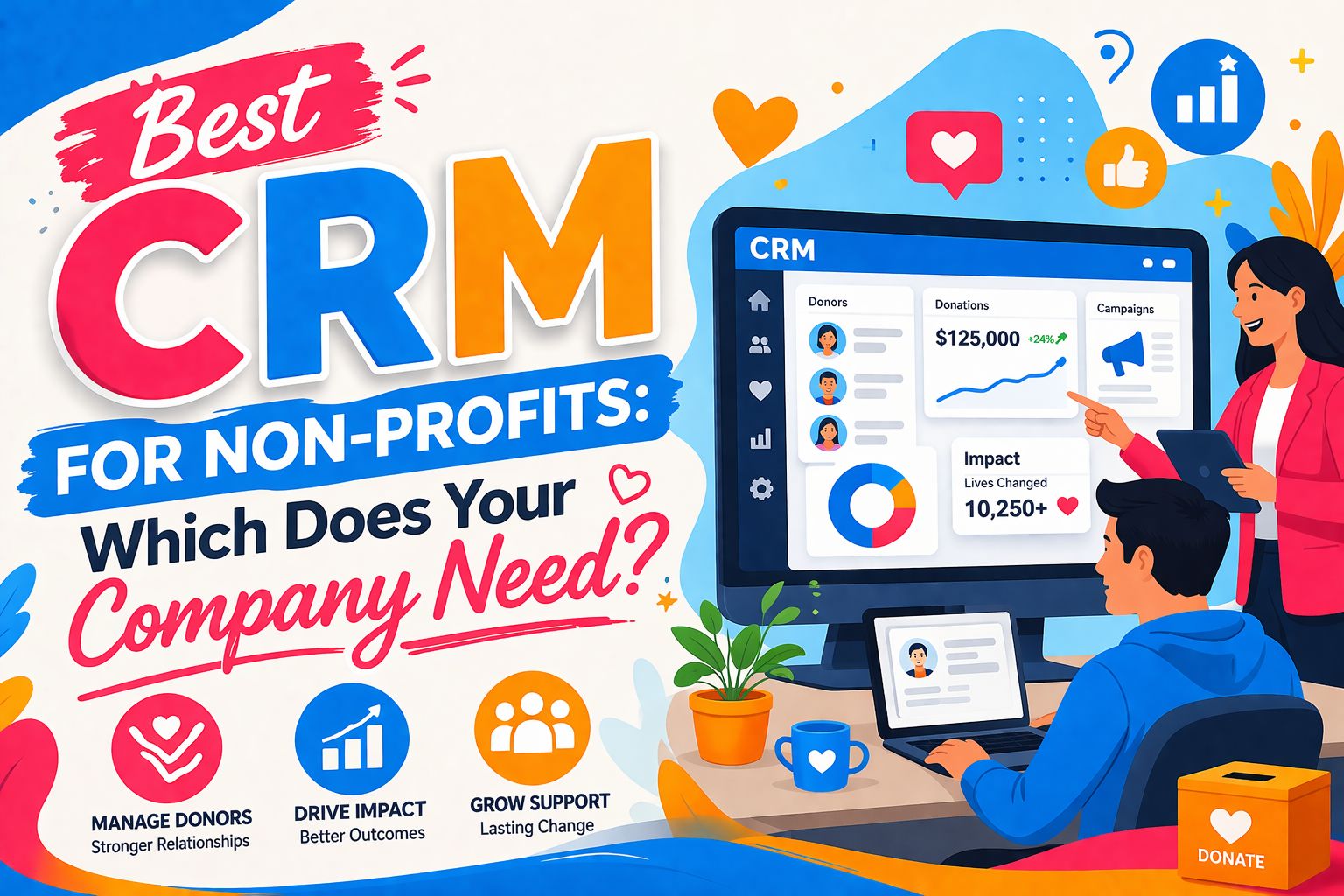
Digital tools help charities notice patterns. A dashboard might show that many families need support for diabetes medicine. Another report may show that transport costs are stopping patients from attending appointments. A monthly summary could reveal that dental pain, eye problems, or untreated infections are more common than expected.

This is where healthcare management software can support charities that handle medical aid, even when they are not hospitals themselves. Used carefully, it can help organize patient details, appointments, treatment records, payments, and follow-ups in one place, instead of spreading sensitive information across random files and phones.

The point is not to look fancy. The point is to make better decisions with real information.

Donors Need Trust, Not Vague Updates

Donors want to know their help made a difference. That does not mean every private detail should be shared. Medical dignity matters. A person’s illness should never become public content just to prove that charity work happened.

Still, donors deserve proper reporting.

Digital tracking can help charities share respectful updates. For example, a report can say that a donation helped cover medicine for five families, transport for two patients, and testing for one child. It can include total spending, remaining funds, and future needs without exposing anyone’s private medical history.

That builds trust.

It also protects the charity. When records are clear, there is less room for confusion, repeated claims, or accidental double payments. Receipts, approvals, and case notes create a trail. Not a cold, bureaucratic one. A responsible one.

Follow-Ups Should Not Depend on Memory

One of the biggest mistakes in medical charity work is treating support as finished after payment. A prescription is paid. A hospital bill is covered. A clinic visit happens. Done?

Not always.

Someone may need a second appointment. A wound may need cleaning. A child may need another dose. An elderly person may stop taking medicine because the side effects feel frightening. A mother may not return to the clinic because transport costs too much.

Digital reminders can help. A volunteer can receive a notification to call a family after seven days. A case manager can check whether medicine was collected. A team leader can see which cases are overdue for review.

Small reminders can prevent big problems. That sounds simple because it is. Simple things save people from falling through the cracks.

Making Room for Everyday Health Needs

Medical support does not always look dramatic. It is not only surgery, hospital admission, or emergency care. Sometimes it is a toothache that keeps a child from eating. Sometimes it is a skin infection that spreads because treatment was delayed. Sometimes it is a mother who ignores her own pain because the family has other expenses.

Charities can use digital tools to track these everyday needs too, including referrals for checkups, medicines, vaccinations, eye care, mental health support, maternal care, and general dentistry services when oral health problems affect eating, sleep, school, or work.

That matters because poverty turns small health problems into bigger ones. Fast.

When charities record ordinary needs properly, they can plan better health camps, partner with clinics, and understand which services poor families request most often. The data becomes a map. Not perfect, but useful.

Protecting Privacy and Dignity

Digital tools must be used with care. Medical information is personal. Families should not feel exposed, judged, or reduced to a file number. A charity should collect only the information it needs, limit access to trusted team members, and avoid sharing sensitive details in public posts.

Passwords matter. Permissions matter. Consent matters.

Even a basic system should have rules. Who can view medical records? Who can edit them? Where are documents stored? How long should records be kept? What happens if a volunteer leaves the organization?

These questions may sound technical, but they are really about respect. People asking for help are already vulnerable. Their privacy should not be another thing they have to sacrifice.

Training Volunteers Without Making It Complicated

A digital system only works if people actually use it. That means it should be simple enough for busy volunteers, field workers, and coordinators. Too many buttons? People will avoid it. Too many required fields? They will enter random answers just to move on. That helps no one.

Start small.

A charity can begin with beneficiary names, contact details, medical need, amount requested, amount approved, receipts, status, and next follow-up date. Once the team gets comfortable, more features can be added. Training should use real-life examples, not long lectures that make everyone stare at the wall clock.

One coordinator once described the best system as “the one people don’t hate opening.” That’s a good standard. Maybe not poetic, but very true.

A More Organized Way to Care

Charity should feel human, not mechanical. But organized systems can make human care stronger. They help teams remember, follow up, report honestly, and use donations where they are needed most.

For community-focused organizations, digital tools can support the kind of medical assistance that poor families need most: timely, respectful, and consistent help. A record can never replace a caring visit, a warm conversation, or a hand extended in a difficult moment.

But it can make sure that moment is not forgotten.

  • aamax-website-development-and-digital-marketing