







25 Jun 2026

AAM Nation Care

The Role of Compassionate Care in Supporting New Mothers

A new baby changes the whole house.

There’s joy, of course. Tiny hands. Soft breathing. That strange, sweet feeling of watching a life begin right in front of everyone. But there’s also the other side. Sleepless nights. Sore bodies. Missed meals. Visitors who mean well but somehow make the day heavier. Advice from every direction. Too much advice, honestly.

For a new mother, this season can feel tender and confusing at the same time. One hour she may feel grateful. The next, exhausted. Then guilty for feeling exhausted. It’s a lot to carry, especially when the world expects mothers to simply “know what to do.”

Compassionate care matters because it reminds her that she doesn’t have to know everything. Not right away. Not alone.

Kindness Is Not a Soft Extra

Some people treat kindness like decoration. Nice, but not necessary.

That’s wrong.

For new mothers, kindness can be the thing that keeps them steady. A gentle word can help her ask the question she was too embarrassed to ask. A patient explanation can calm the panic that starts when the baby won’t stop crying. A quiet check-in can catch the sadness she has been hiding behind “I’m fine.”

And families know that phrase well. “I’m fine” often means, “Please notice that I’m not.”

Compassionate care protects a mother’s dignity. It doesn’t shame her for being tired. It doesn’t make her feel foolish for learning. It doesn’t turn every small mistake into a lecture. A mother who feels respected is more likely to speak honestly, accept help, and trust herself again.

That confidence matters. It grows slowly.

Health Support Should Feel Human

After birth, a mother needs more than congratulations. She needs care for her body, her emotions, and her baby. She may need help understanding feeding, recovery, hygiene, immunizations, baby weight, sleep changes, and warning signs that require medical attention.

A trusted child health nurse can make a real difference here, especially for families who feel unsure about what’s normal in the early months and what needs urgent care.

But the way that support is given matters just as much as the information itself.

A rushed appointment can leave a mother more confused than before. A cold tone can make her stop asking questions. A judgmental comment can stay in her head for weeks. Anyone who has watched a new mother get overwhelmed by five different opinions about feeding knows how quickly “help” can start to feel like pressure.

Good care slows down. It listens first. It explains clearly. It gives the mother room to say, “I don’t understand,” without feeling small.

That’s where real support begins.

Emotional Care Is Part of Recovery

The body heals after birth, but the heart and mind need care too.

New mothers can feel anxious, tearful, lonely, or strangely disconnected. Some feel scared to say that out loud because people expect them to look happy. The baby is here, so everyone assumes the mother must be glowing. Sometimes she is. Sometimes she’s crying in the bathroom because she hasn’t slept properly in days.

Both can be true.

Emotional care means making space for those feelings without turning them into shame. It means asking better questions. Not just, “Is the baby okay?” but “Have you eaten today?” “Did you get any rest?” “Do you feel safe?” “Do you need someone to sit with you for a while?”

Small questions. Big difference.

Families can help in practical ways too. Cook food. Wash dishes. Hold the baby while she showers. Keep visitors from staying too long. Let her rest without making her feel lazy for it. No speeches needed. Nobody needs a ceremony for doing the dishes.

Just do them.

Poverty Makes Motherhood Harder

Motherhood is already demanding. Poverty makes it heavier.

A new mother may be recovering from birth while worrying about food, transport, rent, medicine, or older children. In some homes, even getting to a clinic can become difficult. There may be no one available to help. There may be shame around asking for support. There may be fear that personal health concerns won’t be understood or respected.

For mothers who feel more comfortable speaking with a woman doctor, searching for a female GP near me can be an important step toward care that feels private, safe, and easier to accept.

This is especially important in communities where women may hesitate to talk openly about pain, bleeding, breastfeeding struggles, low mood, or family pressure. Compassionate care respects those realities. It doesn’t brush them aside. It understands that trust takes time, and privacy matters.

A mother should never have to choose between dignity and help.

Practical Support Is Care Too

Kind words help. So does a bag of groceries.

Sometimes support looks like a warm conversation. Sometimes it looks like transport money, baby clothes, food supplies, or help booking a clinic visit. For poor families, these practical things are not small. They can decide whether a mother rests or keeps pushing through exhaustion because there is no other option.

Welfare work that supports mothers also supports babies. It supports the whole household. When a mother eats well, recovers safely, and feels less alone, the baby benefits. Older children benefit. The home becomes calmer. Hope has more room to breathe.

That’s why maternal care should be part of every serious welfare mission. Not as a side project. As a priority.

Because new mothers often hold families together at the exact moment when they need holding too.

A Mother Who Feels Seen Can Heal Better

Compassionate care doesn’t need to be complicated. It needs to be sincere.

It means noticing when a mother is quiet. It means asking what she needs instead of assuming. It means giving advice without making her feel judged. It means remembering that the baby is not the only one who needs care after birth.

The mother does too.

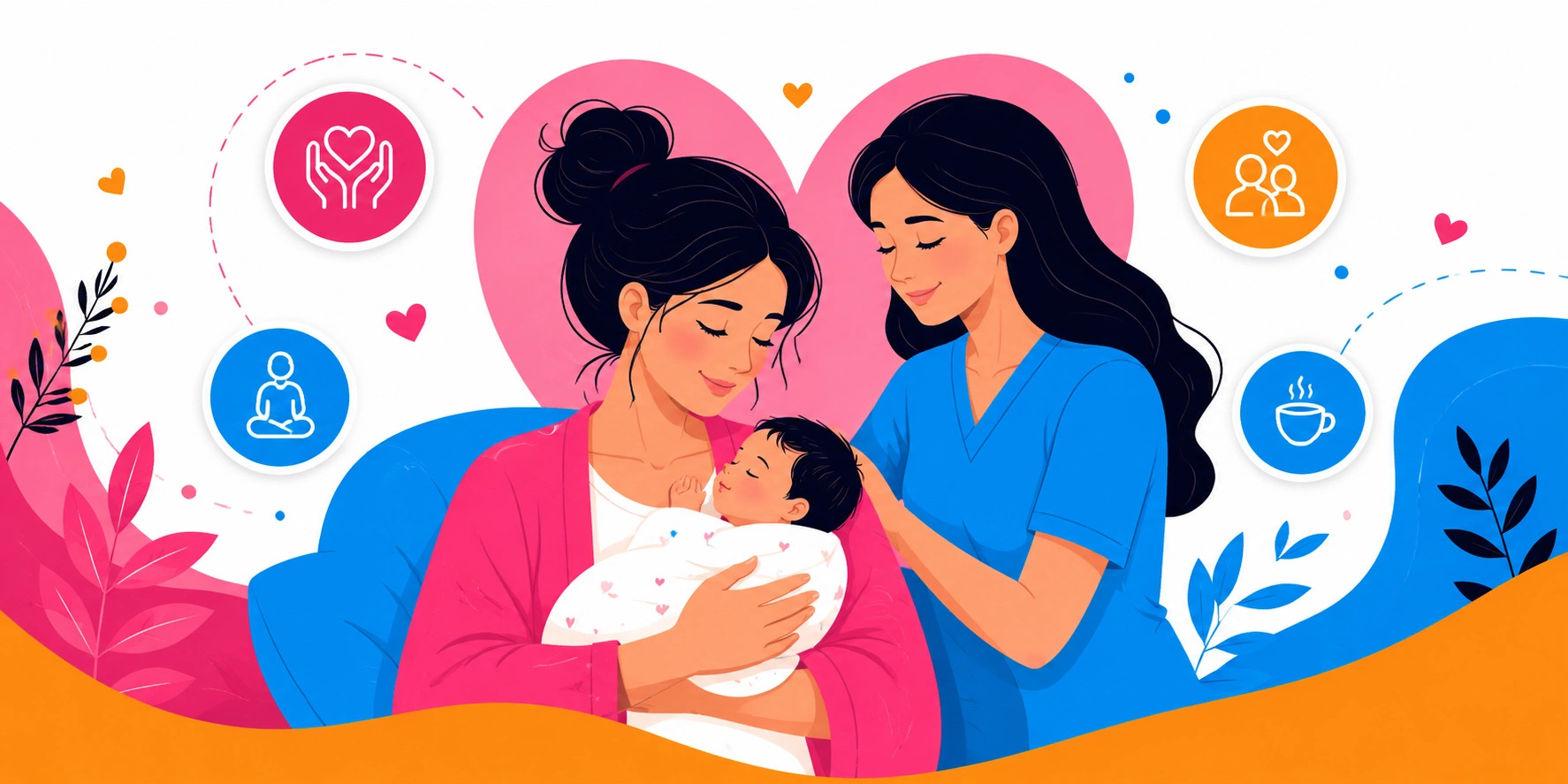
When communities support new mothers with patience, practical help, and respect, they protect more than one life. They strengthen families. They give children a healthier start. They remind mothers that their wellbeing matters, not only because they care for others, but because they are human beings deserving of care themselves.

That should never be treated as optional.

  • aamax-website-development-and-digital-marketing